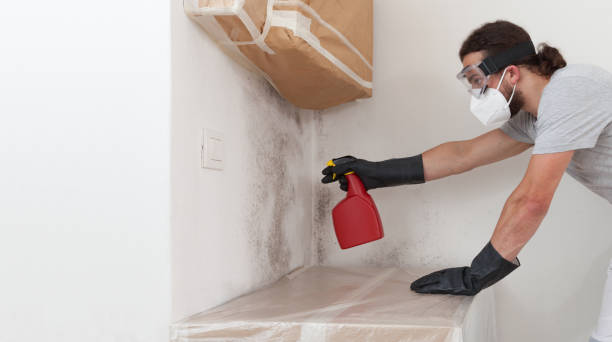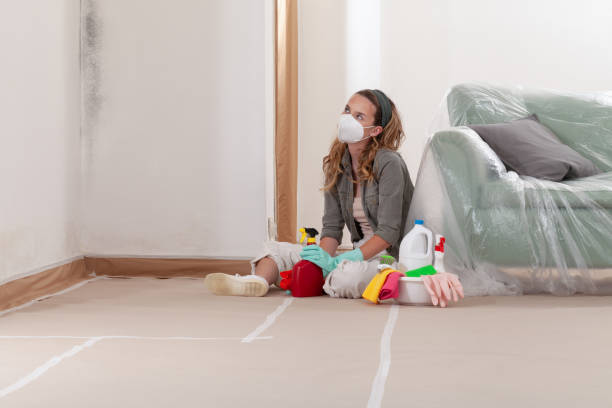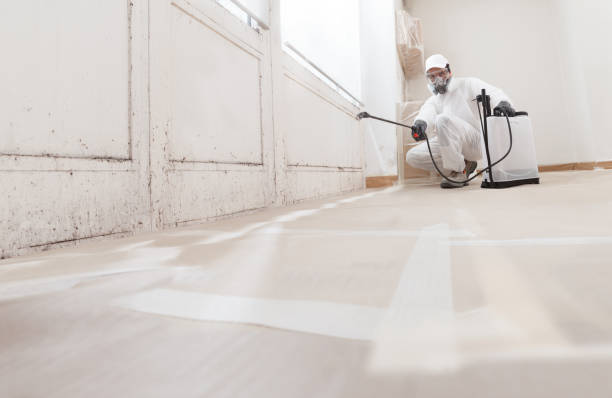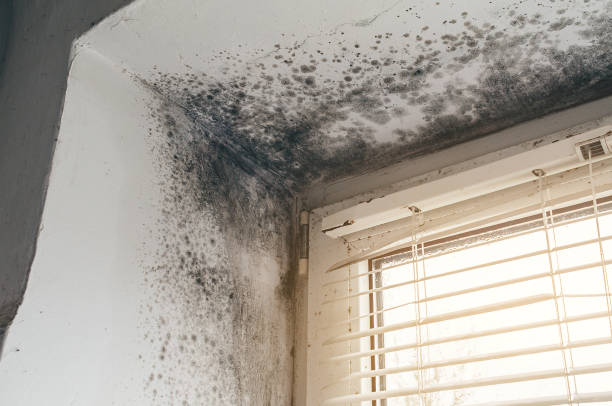
A mold problem in Chapel Hill rarely gets better on its own — WQB Mold Removal finds the source, contains it, and documents the fix. No subcontractors, no runaround — the crew that inspects your Chapel Hill property is the same crew that finishes the job.
Call +1-844-578-1604
Most of our Chapel Hill techs spent years in water damage restoration before specializing in mold, so they know how a small leak becomes a big problem.
Every technician carries current training, a full containment kit, and instruments to test — not guess — what's in your walls. We'd rather over-equip a small job than show up under-prepared and need a second visit to finish it properly.
Most of our new Chapel Hill business still comes from referrals, not advertising, and we'd like to keep it that way.
We'd rather spend an extra twenty minutes on the initial inspection than come back in six months because we rushed the diagnosis the first time.
The smell, the stain, the sneezing that won't quit: this is what Chapel Hill callers describe most.
A stale odor that returns no matter how much you clean usually means active growth somewhere out of sight. It's often strongest near a closet, vent, or crawl hatch. A lingering odor after cleaning is usually the strongest single signal something is active behind the scenes.
Water stains — even faded, years-old ones — mean moisture reached somewhere it shouldn't have. A five-minute moisture-meter check behind an old patch job settles the question either way. If a prior repair skipped moisture readings before closing the wall back up, hidden growth can sit undetected for months.
Headaches or congestion that fade on vacation and return the moment you're back in Chapel Hill point toward indoor air quality. Air testing can confirm it in a few days instead of leaving you guessing. Ruling mold in or out with actual data beats guessing based on symptoms alone.
Staining around an HVAC vent often means condensation is forming inside the ductwork itself. A small visible patch rarely means a small hidden problem. By the time discoloration shows through paint, the growth behind it has usually been active for weeks already.
From a single bathroom to a flooded crawl space, the response scales to match what's actually there.
Active flooding and sewage backups jump the queue since mold can start within 24 to 48 hours. We photograph everything on arrival, which helps if you're filing an insurance claim. Industrial dehumidifiers go to work immediately to slow the damage before a new colony has a chance to seed.
Bathrooms, basements, and attics each get a method suited to that specific environment in your Chapel Hill home. Affected materials are bagged and removed per protocol, not tossed loose. A 1920s foundation and a new-build slab don't call for identical methods, and we treat them differently.
Our commercial leads coordinate phased containment so parts of a building can stay open. We'll work evenings or weekends when that's what keeps a Chapel Hill business running. Multi-tenant properties often need coordinated resident notice, which our project leads handle directly.
A pre-purchase inspection can catch what a standard home inspection misses in a Chapel Hill sale. Independent third-party lab analysis keeps results objective. A written report works for real estate transactions, refinancing, or simple peace of mind about a Chapel Hill property.
Vapor barriers and vent placement explain why Chapel Hill, NC crawl spaces grow mold even when the upstairs looks fine. Confined spaces call for trained techs and dedicated gear. Sump correction and vent placement get addressed at the same time so the fix actually holds.
For chronic humidity, we design a long-term control plan rather than a one-time patch. Some Chapel Hill, NC clients schedule an annual check, especially in older homes. A modest investment in prevention is almost always cheaper than paying for the same remediation twice.
We keep this simple enough to explain in under two minutes on the phone.

Describe what you're seeing and smelling and we'll get a tech on the calendar, often same-day for Chapel Hill. We'll give you a realistic arrival window, not a vague "sometime today." If it's urgent, say so — dispatch prioritizes active water and sudden discovery over routine checks.
This step tells us what's actually going on, not a guess. Photos from the inspection go into your file for the record. Nothing gets decided before you understand exactly what we found.
Containment barriers go up first, then affected materials are removed and treated per protocol. Progress updates are available if you're not on-site. Daily wrap-up notes are available on request for longer Chapel Hill jobs.
You'll get a written report for your records or your insurer. We walk the space with you before anyone signs off. You keep a copy of the clearance report for your own records or a future buyer.
We'll explain each line item over the phone if you want to walk through it before committing.
Dispatch across Chapel Hill, NC typically runs same-day for active issues, since we staff enough local techs to avoid a two-week backlog.
Every job includes documented before-and-after testing, not just a verbal "it's handled."
If regrowth tied to our workmanship shows up within the warranty period, we return and fix it at no extra charge.
We'll also tell you plainly if a Chapel Hill property has an underlying roof or plumbing issue feeding repeat moisture, rather than quietly re-treating the same spot every year like some outfits do.

We put our promise in writing because peace of mind should come standard, not as an upsell. Ask any Chapel Hill customer who's had to use the guarantee — it's honored the same way it's written.
Call +1-844-578-1604A few recent stories from Chapel Hill and nearby neighborhoods.

We ask for feedback after every job because it's the fastest way to know if we're actually holding our own standard.
"They found mold behind our washer that two other companies missed entirely — fast, honest, and the smell is finally gone." — Denise R., Chapel Hill
"Called at 9pm after a pipe burst — someone was here containing it by 7am the next morning." — Marcus T., Chapel Hill
"Their lab report made closing out our insurance claim painless." — Priya S., Chapel Hill
"Professional, punctual, and cleaner than I expected walking back in." — Walter H., Chapel Hill
"They caught an attic ventilation issue that was causing the problem, not just treating a symptom." — Angela F., Chapel Hill
"Fair price, clear explanation, zero upsell pressure." — Ray O., Chapel Hill
Inside our Chapel Hill coverage zone, same-day response is usually available. Older Chapel Hill construction and newer builds each call for a slightly different approach, and our crews are equipped for both. We track call volume by neighborhood so Chapel Hill dispatch stays fast even during peak humidity season.

Coverage extends to zip codes such as 27599 27514 27516 27517 27515
The questions we hear before nearly every job.

Most Chapel Hill calls get a tech same-day, with active emergencies bumped ahead of routine inspections. Weekend and holiday calls still reach a live dispatcher, not voicemail. We'd rather send a tech out today than have you wait a week while the problem spreads.
We quote the full scope after inspection, and that number holds unless the scope changes. We're happy to walk through line items over the phone before you commit. We've heard plenty of stories about mid-job upcharges from other Chapel Hill contractors, and that's what our pricing model is built to avoid.
Emergency dispatch runs 24/7 for situations where a day's delay would make things worse. We coordinate directly with plumbers or roofers when the water source needs stopping first. If you're unsure whether your situation counts as an emergency, call anyway — our dispatcher can help you decide.
Results typically land within a few business days as a written report. Species matters — some call for stricter containment than common surface mildew. Testing before and after the work gives you objective, documented proof of the outcome.
Some policies cover mold tied to a sudden pipe burst but exclude gradual humidity issues. We're glad to speak with your adjuster directly if that helps. Every Chapel Hill, NC policy reads a little differently, so double-checking your specific mold and water-damage language ahead of time saves headaches later.
Timeline depends on square footage and whether structural materials need replacing. Drying time after extraction can add a day or two before remediation even starts. Multi-room jobs sometimes get staged so part of the home stays usable while another section is treated.
For most localized jobs, containment keeps the rest of the home livable. Pets are usually fine in an unaffected part of the home; we'll flag exceptions. We'll help you think through the logistics before the job starts, not scramble mid-project.
We recommend keeping children and pets clear of the containment zone until clearance testing passes. Once clearance testing comes back clean, the space is safe for normal use again. We take extra care around nurseries, playrooms, and anywhere pets spend most of their time.
We fix the moisture source, not just the visible growth — treating symptoms without the cause almost guarantees regrowth. If prior conditions caused a previous remediation to fail, we'll flag that risk upfront. Our warranty covers workmanship-related regrowth specifically, and we'll explain exactly what that means before you sign anything.
Our dispatcher can walk you through what an initial visit covers. Availability sometimes tightens during peak humidity months across Chapel Hill, NC. A quick call is often enough for our team to tell whether what you're describing needs an in-person look right away.
"Removal" implies eliminating mold entirely, which isn't realistic since spores exist naturally everywhere; "remediation" means bringing levels back to a normal, safe range. Any company promising 100% removal is overselling — outdoor and indoor air both carry some spore count. We'd rather explain this clearly upfront than let a Chapel Hill customer expect something no company can deliver.
Bleach may remove surface staining but rarely reaches spores embedded in porous materials like drywall or subfloor. Bleach also doesn't fix the moisture condition that let mold grow in the first place, so it often returns within weeks. A quick professional opinion up front often saves Chapel Hill homeowners money compared to a repeat DIY attempt.